Screed floors
Screed is the layer between the structure and whatever the client sees. Get it right and nobody ever thinks about it again. Get it wrong and it cracks, curls, dries too slowly for the programme, or will not take the finish that was specified.
Four screeds, and the reason to pick one over another
We lay flowing screeds, traditional sand and cement, fast-drying screeds and screeds designed to sit over underfloor heating. Which one suits depends on the depth you have, the programme you are working to, and what is going on top. On most jobs the decision is made before we arrive, and if it is the wrong one we will say so while there is still time to change it.
What we lay
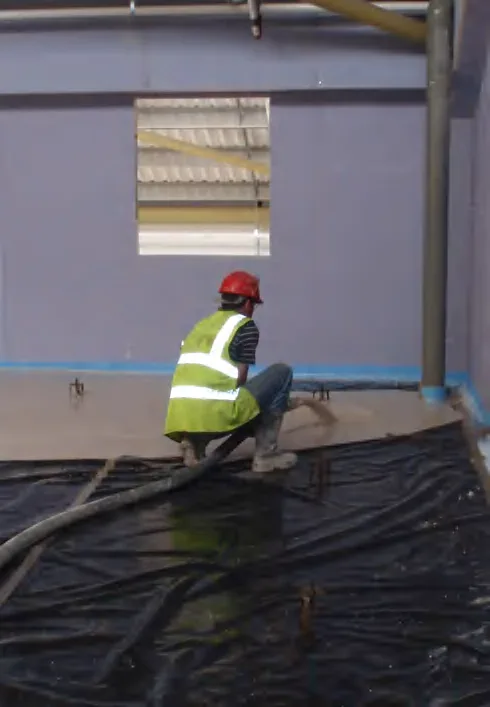
- Flowing (liquid) screeds — pumped, self-levelling, laid at speed over large areas
- Sand and cement screeds — bonded, unbonded or floating, to BS 8204
- Fast-drying screeds where the programme will not wait
- Screeds designed for underfloor heating, with the pipe encased properly
- Protein-free screeds where hygiene matters
The numbers
- Foot traffic
- 24–48 hours
- Partitions on
- 7 days
- Strength up to
- CA35F4/mm²
- Fire
- BRE Category A
- Standards
- BS 8204 · BS EN 13813
Questions we get asked
How long before we can walk on it?
Foot traffic in 24–48 hours on a flowing screed. Partitions can go on at 7 days. Full drying before a moisture-sensitive floor covering is a different question and depends on depth — roughly a day per millimetre for the first 40 mm on a traditional screed, which is why fast-drying screeds exist.
Flowing screed or sand and cement?
Flowing screed goes down faster, self-levels, and encases underfloor heating pipe better, which matters if the floor is the emitter. Sand and cement is more forgiving on a job with awkward falls and can be laid to a fall. Depth, programme and what is going on top decide it — we will tell you which on a site visit.
Will it crack?
A correctly specified and laid screed at the right depth, on the right build-up, with the right joints, should not. Most cracking traces to one of four things: too thin, dried too fast, no isolation at the perimeter, or something built on it before it was ready. All four are avoidable and all four are in the specification.
Do you lay to a fall?
Yes — wet rooms, plant rooms and external thresholds. Falls have to be in the design before the pour, not discovered on the day.
Can you work to our programme?
Tell us the date the floor is needed and the date we can get on. If those two do not work with the screed specified, we will say so and offer the one that does rather than take the job and let it run late.
Where we have done it
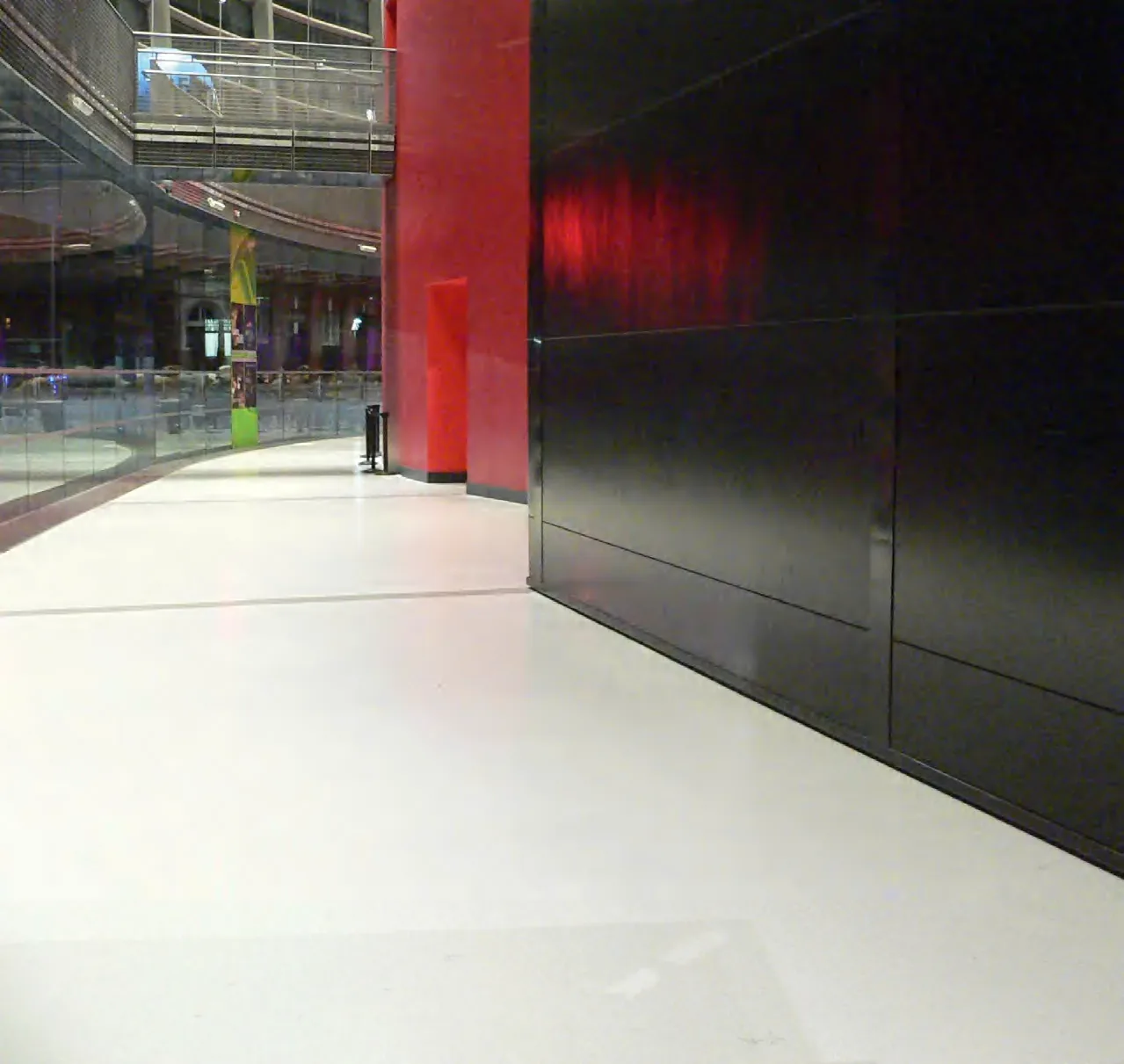
Curve, Leicester Performing Arts Theatre
1,522 m² of power-floated concrete laid over underfloor heating and finished in three-coat epoxy.
- 1,522 m²
- Power floated
- Three-coat epoxy
- Over UFH
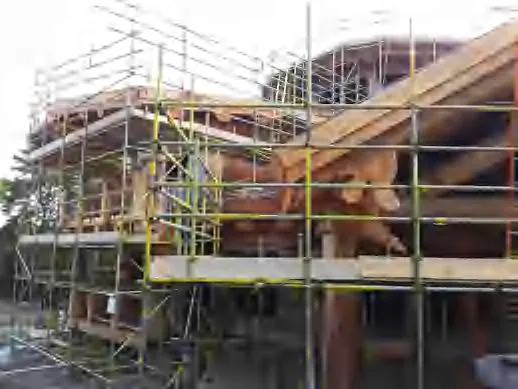
Private island lodge, Poole Harbour
A Canadian cedar lodge on a private island.
- 20 m³ Gyvlon
- Over UFH
- Large-format marble
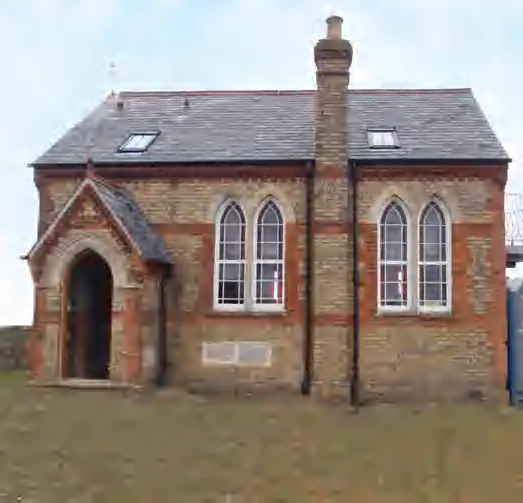
The Old Chapel, St Neots
A chapel conversion — the kind of floor where the levels are never what the drawing says and the survey has to come first..
- Conversion
- Screed over UFH
Send us the drawings
Tell us the area, the depth you have to play with and the date the floor is needed. We will come back with the screed that suits and a price against it.
Or ring 01636 616388.