Floor levelling
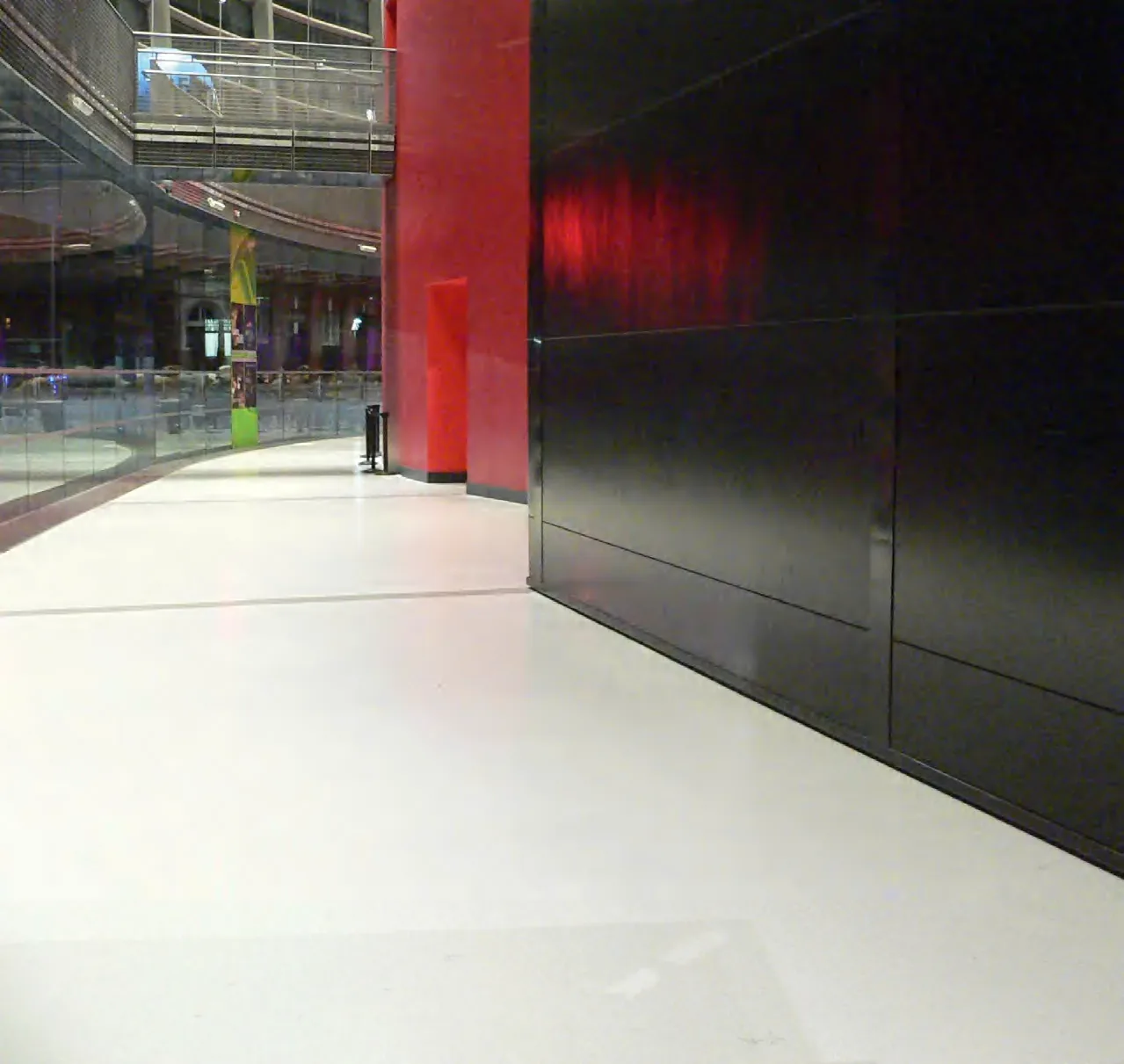
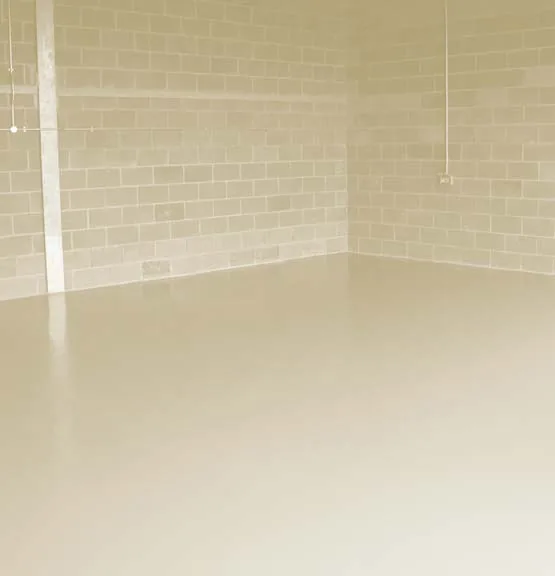
Most floor finishes fail because of what was underneath them, not because of the finish. Large-format tile, vinyl and engineered timber all have a flatness tolerance, and an old floor almost never meets it.
Flat enough for what is going down
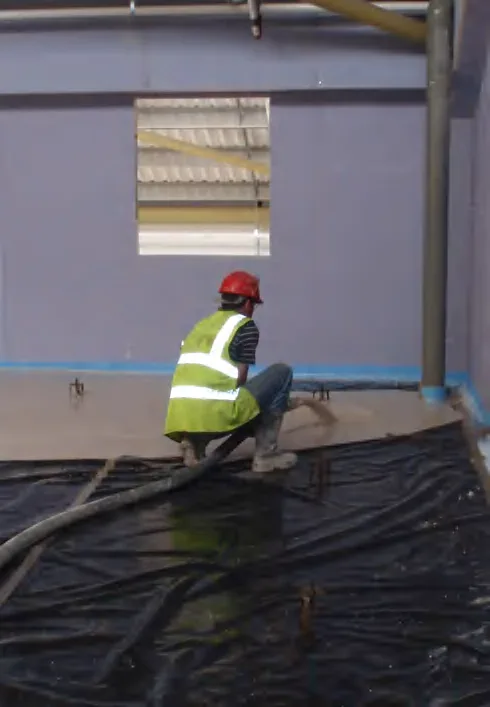
We use free-flowing self-levelling compounds and liquid screed to bring an existing floor within tolerance. On a commercial fit-out that is often the difference between the flooring contractor starting on the Monday and standing on site arguing about whose problem the deviation is.
When you need it
- Before large-format tile or stone, where lipping shows immediately
- Before vinyl or resin, which telegraph every dip
- On refurbishments where the existing slab has moved or been patched
- Where a new floor meets an old one and the levels have to run through
Questions we get asked
How flat does the floor need to be?
It is set by what is going down. Large-format tile and stone are the least forgiving — lipping shows immediately. Vinyl and resin telegraph every dip. The flooring manufacturer usually states a tolerance; work to that, not to a general idea of flat.
How much depth does levelling add?
A self-levelling compound can be a few millimetres; a liquid screed used for levelling is deeper. On a refurbishment that few millimetres can matter at a threshold, so it is worth checking the door heights before we start.
Where we have done it
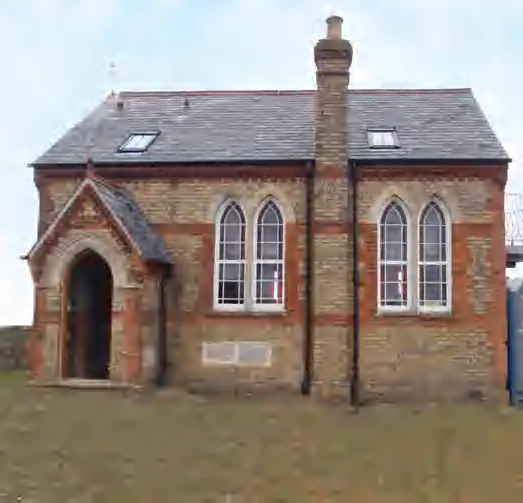
The Old Chapel, St Neots
A chapel conversion — the kind of floor where the levels are never what the drawing says and the survey has to come first..
- Conversion
- Screed over UFH
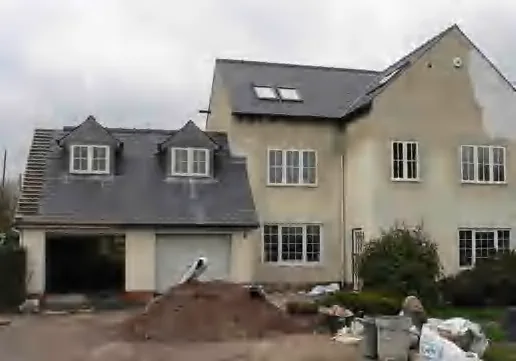
Renovated farmhouse, Ruddington
A full farmhouse renovation with new floors throughout, laid over underfloor heating..
- Renovation
- Screed over UFH
How far out is it?
If you have survey levels, send them. If not, a straight edge and a tape across the worst of it will do to start.
Or ring 01636 616388.